
Taking your first solo trip in India can be exciting, but it can also feel slightly overwhelming when you are responsible for transportation, accommodation, meals, navigation and safety on your own. The good news is that solo travel does not have to be complicated or expensive. With a sensible destination, realistic itinerary and a little preparation, you can enjoy the freedom of travelling independently while staying comfortable and organised.
Start With a Manageable Destination
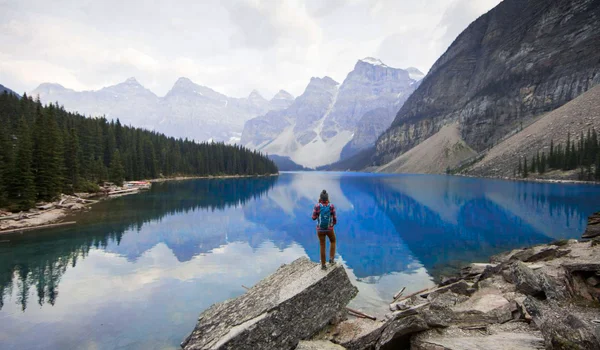
For your first solo trip, choose a destination that is relatively easy to navigate rather than trying to plan an extremely complicated journey.
Consider places with:
- Good transport connections
- Reliable accommodation options
- Easy access to basic facilities
- Well-known tourist areas
- A reasonable number of attractions
- Suitable options for your preferred travel style
A short two- or three-day trip can be a better first experience than immediately planning a long journey across several states.
Decide Your Budget Before Booking
Create a complete travel budget before making reservations. Include transportation, accommodation, food, local travel, sightseeing and an emergency amount.
It is useful to keep a small reserve that is separate from your daily spending budget. This can help if you need to change transportation, extend your stay or deal with an unexpected expense.
Do not choose a destination simply because the accommodation appears cheap. Consider the total cost of reaching and exploring the destination.
Keep Your First Itinerary Simple
One of the advantages of solo travel is flexibility, but too much flexibility can make your first trip stressful.
Plan the main parts of your journey in advance:
- How you will reach the destination
- Where you will stay
- Which places you want to visit
- How you will travel locally
- When you plan to return
Avoid scheduling too many attractions in one day. Leave some free time for rest, meals and unexpected changes.
Research the Destination Properly
Before leaving, learn about the area you are visiting. Check the local transport system, neighbourhoods, weather, opening hours of major attractions and approximate travel times.
Save important information on your phone and, where possible, keep offline copies of essential details.
Knowing basic information about the destination can make you much more confident when travelling alone.
Choose Accommodation Carefully
Accommodation is especially important on a solo trip. Look for a clean and reasonably reviewed hotel, hostel, guesthouse or homestay in a convenient location.
Instead of choosing a property solely because it has the lowest price, consider:
- Location
- Reviews from recent guests
- Check-in timings
- Transport availability
- Basic security arrangements
- Distance from the places you plan to visit
Arriving at an unfamiliar destination late at night and then travelling a long distance to reach your accommodation can be inconvenient, so plan your arrival time carefully.
Share Your Travel Plan With Someone You Trust
Before leaving, tell a family member or friend where you are going and where you plan to stay.
You do not need to provide constant updates throughout the trip, but keeping someone informed about your broad itinerary can be useful.
Share important booking information and let them know when you expect to arrive at your destination.
Keep Important Items Secure
When travelling alone, you are responsible for your own belongings. Avoid carrying unnecessary valuables.
Keep your phone, money, identification and important travel documents secure. A small day bag that stays close to you can be useful when exploring busy markets, stations and tourist attractions.
It is also sensible to keep digital copies of important travel documents in a secure location.
Be Careful With Personal Information
Solo travel often involves meeting new people, but you should maintain sensible boundaries.
You do not need to tell strangers exactly where you are staying, how long you will remain in a particular location or whether you are travelling completely alone.
If someone asks questions that make you uncomfortable, you can simply avoid sharing personal details and move on.
Learn Basic Local Transportation
Understanding how to get around can make a major difference to your solo travel experience.
Before arriving, check whether the destination has metro services, buses, local trains, autos, taxis or app-based transportation.
For taxis and autos, understand the approximate fare or booking process beforehand. When using public transport, keep your belongings secure, particularly during busy periods.
Travel During Reasonable Hours
For a first solo trip, it can be easier to schedule most sightseeing during daylight hours. This does not mean you cannot enjoy an evening out, but you should understand the area and have a reliable way to return to your accommodation.
Avoid making unnecessary late-night journeys through unfamiliar areas.
If your arrival is late, arrange transportation and accommodation in advance rather than trying to make decisions after reaching the destination.
Pack Light
Solo travel becomes much easier when you do not have to manage several heavy bags.
For a short trip, carry versatile clothing, comfortable footwear, basic toiletries, chargers, essential medicines and a small daypack.
Check the expected weather before packing. Carrying fewer items also makes it easier to move between hotels, stations and attractions.
Carry More Than One Payment Option
Digital payments are widely used in many parts of India, but you should not depend entirely on one method.
Carry a reasonable amount of cash and keep your primary payment method secure. Having a backup payment option can be useful if your phone battery runs out, connectivity is poor or a particular merchant does not accept your preferred method.
A power bank can also be useful during long sightseeing days.
Eat Sensibly
Trying local food is one of the enjoyable parts of travelling alone. However, pay attention to hygiene, especially if you have a busy travel schedule.
Choose clean and well-reviewed eateries and stay hydrated. Carry a few simple snacks for long journeys or situations where finding suitable food may take time.
Avoid experimenting with too many unfamiliar foods immediately before an important journey.
Do Not Try to Impress Anyone
Solo travel gives you freedom, but you do not need to accept every invitation or activity offered by someone you meet.
If something feels uncomfortable, expensive or unsafe, it is perfectly reasonable to say no.
Trust your judgement. You can leave a place, change your plans or contact someone you trust if a situation does not feel right.
Keep Emergency Information Accessible
Save important contacts on your phone and know how to contact local emergency services if necessary.
It is also useful to know the location of your accommodation and have its details available even if your phone has poor connectivity.
A small first-aid kit and regularly required personal medicines can also be useful on longer journeys.
Leave Room for Spontaneity
Good planning does not mean following a strict schedule every minute.
Once you become comfortable at your destination, you can leave some time for exploring a local market, trying a new café, visiting an unexpected attraction or simply relaxing.
The freedom to change your plans is one of the best parts of solo travel.
A Simple First Solo Trip Plan
A practical first trip might look like this:
Before departure: Choose a manageable destination, set a budget, book transportation and accommodation, and research local travel.
First day: Reach the destination, check in and explore nearby attractions without rushing.
Second day: Visit the main attractions and leave some free time for local experiences.
Final day: Enjoy a relaxed morning, have lunch and begin your return journey with sufficient time.
This type of itinerary gives you structure while still allowing flexibility.
Common Mistakes to Avoid
First-time solo travellers can make the experience more difficult by trying to do too much.
Avoid:
- Choosing an overly complicated itinerary
- Booking accommodation without checking its location
- Carrying excessive luggage
- Spending the entire budget on the first day
- Ignoring weather conditions
- Depending entirely on your phone for essential information
- Accepting every recommendation from strangers
- Making unnecessary late-night journeys
- Forgetting to keep emergency funds aside
Simple planning can prevent most of these problems.
Conclusion
Your first solo trip in India does not need to be a major adventure. Starting with a short, well-planned journey can help you build confidence in handling transportation, accommodation, budgeting and sightseeing independently.
Choose a destination that matches your comfort level, keep your itinerary realistic, protect your belongings and stay in touch with someone you trust. At the same time, give yourself enough freedom to enjoy the experience.
The real benefit of a first solo trip is not simply visiting a new place—it is learning how to plan, make decisions and enjoy travelling on your own terms.