
Planning a travel budget before visiting an Indian destination can make a trip more comfortable and prevent unnecessary spending. Whether you are planning a weekend getaway, a family holiday, a solo journey or a longer vacation, knowing your expected expenses in advance helps you decide what you can realistically afford. A good travel budget does not mean avoiding every enjoyable activity. It means understanding where your money is likely to go and making sensible choices before and during the trip.
Start With Your Total Travel Budget
The first step is to decide the maximum amount you are comfortable spending.
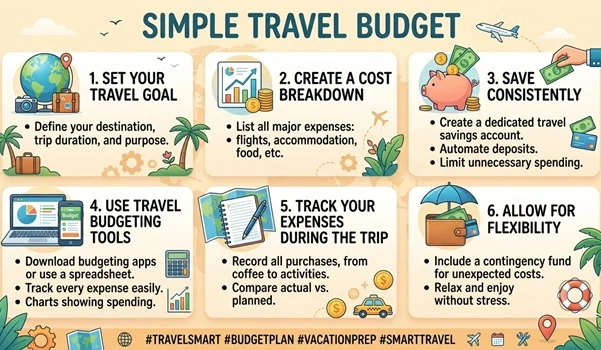
Do not begin by booking a hotel or transportation and then try to fit everything else into the remaining money. Instead, decide your overall budget first and divide it among different categories.
Your total budget can include:
- Transportation
- Accommodation
- Food
- Local transportation
- Sightseeing
- Activities
- Shopping
- Emergency expenses
If you are travelling with family or friends, calculate whether the budget is for the entire group or per person.
Estimate Transportation Costs
Transportation is often one of the largest expenses of an Indian trip. Start by checking the approximate cost of reaching your destination and returning home.
Compare different options such as:
- Train
- Bus
- Flight
- Personal vehicle
- Shared taxi
- Rental vehicle
For road trips, remember to include fuel, tolls and parking. For flights, consider airport transfers and baggage-related charges where applicable.
The cheapest ticket is not necessarily the cheapest overall option. A slightly more expensive direct journey may reduce local transportation or accommodation costs.
Set an Accommodation Budget
Once transportation is estimated, decide how much you can spend on accommodation.
Consider hotels, hostels, guesthouses, homestays and other suitable options. Compare properties based on their total cost and location rather than room price alone.
A hotel that is slightly more expensive but close to major attractions or public transport may save money on local travel.
Before booking, check whether the quoted price includes taxes, breakfast, additional fees or other charges.
Estimate Food Expenses
Food costs vary considerably depending on the destination and your eating preferences.
For a simple budget, estimate how much you expect to spend on:
- Breakfast
- Lunch
- Dinner
- Snacks
- Tea, coffee and other drinks
You do not need to eat at expensive restaurants throughout the trip. Local eateries and reasonably priced restaurants can often provide satisfying meals at a lower cost.
If breakfast is included in your accommodation, take that into account when estimating daily food expenses.
Plan for Local Transportation
Many travellers calculate the cost of reaching their destination but forget about getting around after arrival.
Think about how you will travel between your hotel, railway station, bus stand, airport and tourist attractions.
Depending on the destination, you may use:
- Metro
- Local trains
- Buses
- Autos
- App-based taxis
- Shared vehicles
- Walking
If you expect to use taxis frequently, include a larger local transportation allowance in your budget.
Include Sightseeing and Activity Costs
Make a list of the attractions and activities you are most interested in and check their approximate entry costs before travelling.
Not every part of a trip needs to be expensive. Parks, markets, beaches, walking areas, public spaces and some cultural experiences may cost little or nothing.
Prioritise the activities you genuinely want to experience rather than paying for every available attraction.
Keep a Separate Shopping Budget
Shopping can easily cause a travel budget to increase.
Decide in advance how much you are willing to spend on souvenirs, clothing, handicrafts, local products or gifts.
Treat shopping as a separate category rather than taking money from your food or transportation budget.
This makes it easier to enjoy shopping without losing track of your overall spending.
Add an Emergency Fund
Always keep some money aside for unexpected expenses.
Possible situations include:
- Transportation changes
- Unexpected accommodation needs
- Lost belongings
- Weather-related changes
- Unplanned local travel
- Minor emergencies
This amount should not be treated as spending money. Keeping it separate gives you some financial flexibility during the trip.
Consider the Travel Season
The same destination can cost very different amounts depending on when you visit.
Accommodation and transportation may become more expensive during:
- School holidays
- Festivals
- Long weekends
- Major local events
- Peak tourist seasons
If your dates are flexible, compare prices across different periods. Travelling during a shoulder or less busy season can sometimes reduce costs while still providing a good experience.
However, check the weather and availability of activities before choosing an off-season trip.
Make a Daily Spending Limit
After estimating the major expenses, calculate how much you can spend each day.
For example, separate your budget into:
Fixed costs: Transportation and accommodation.
Daily costs: Food, local travel and regular activities.
Flexible costs: Shopping, entertainment and optional experiences.
This approach makes it easier to see how much money is available for each day without repeatedly calculating the entire trip budget.
Use a Simple Example
Suppose you are planning a short trip for two people. Instead of focusing on one large amount, divide the estimated spending into categories:
| Expense Category | Estimated Budget |
| Travel to and from destination | ₹4,000 |
| Accommodation | ₹3,000 |
| Food | ₹2,000 |
| Local transportation | ₹1,000 |
| Sightseeing and activities | ₹1,000 |
| Shopping | ₹500 |
| Emergency reserve | ₹1,500 |
| Total | ₹13,000 |
These figures are only an example. Actual costs will depend on the destination, season, travel style and number of travellers.
The main purpose of this method is to see where your money will go before you make bookings.
Compare the Total Cost, Not Just Individual Prices
A common budgeting mistake is comparing individual prices without considering the complete trip.
For example, a cheaper hotel located far from the attractions may result in higher taxi expenses. Similarly, a cheap bus may take considerably longer than a train, potentially requiring an additional night of accommodation.
Look at the total trip cost rather than trying to find the cheapest price for every individual item.
Leave Some Flexibility in the Budget
Do not allocate every rupee to planned expenses.
A flexible amount can cover an unexpected meal, a change in transportation or an activity that you decide to try after reaching the destination.
A budget that is too strict can make travelling unnecessarily stressful. It is better to leave a small buffer while planning.
Track Spending During the Trip
Creating a budget is only useful if you keep an eye on actual spending.
You can maintain a simple note on your phone with categories such as food, transportation, activities and shopping.
Check your spending at the end of each day. If you spend more than expected one day, you can adjust your plans on the following day.
Avoid Common Budgeting Mistakes
Before finalising your trip, watch out for these common mistakes:
- Forgetting local transportation costs
- Ignoring taxes and additional hotel charges
- Spending too much on shopping
- Booking expensive activities without checking alternatives
- Not considering seasonal price changes
- Depending entirely on one payment method
- Using the emergency fund for regular spending
- Making too many last-minute bookings
A few minutes of preparation can prevent many unnecessary expenses.
Final Travel Budget Checklist
Before leaving for your destination, make sure you have estimated:
Transportation: Cost of reaching the destination and returning home.
Accommodation: Room cost and additional charges.
Food: Approximate daily meal and snack expenses.
Local travel: Expected cost of getting around.
Sightseeing: Entry tickets and planned activities.
Shopping: A fixed amount for personal purchases and souvenirs.
Emergency reserve: Money kept separately for unexpected situations.
Once these categories are covered, you will have a much clearer picture of the actual cost of your trip.
Conclusion
Creating a simple travel budget before visiting an Indian destination does not require complicated calculations. Start with the total amount you can afford, estimate transportation and accommodation, add daily food and local travel costs, and then set aside money for sightseeing, shopping and emergencies.
Most importantly, compare the complete cost of the trip rather than focusing only on the cheapest individual option. A realistic budget gives you greater control over your spending while allowing you to enjoy your destination without unnecessary financial stress.