
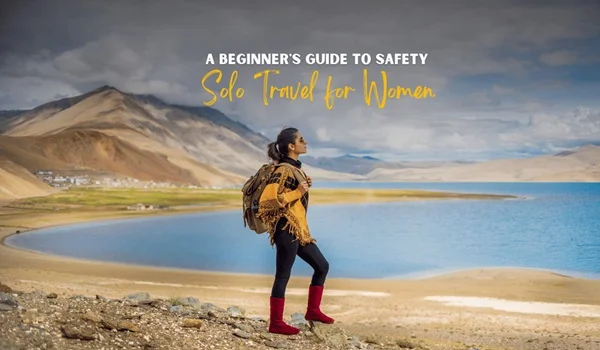
Solo travel can be an exciting and rewarding experience. It gives you the freedom to explore at your own pace, meet new people, and discover new places. However, traveling alone also means taking extra responsibility for your personal safety.
With good planning and smart decisions, you can reduce risks and enjoy a safe, memorable trip.
Why Solo Travel Safety Is Important
Taking simple safety precautions can help you:
- Protect yourself and your belongings.
- Handle unexpected situations with confidence.
- Avoid common travel scams.
- Enjoy your trip with greater peace of mind.
- Be prepared for emergencies.
Being cautious doesn’t mean being afraid—it means traveling wisely.
- Research Your Destination Before You Go
Learn about your destination before you arrive.
Research:
- Safe and less safe neighborhoods.
- Local laws and customs.
- Weather conditions.
- Public transportation options.
- Emergency contact numbers.
Knowing what to expect helps you make better decisions during your trip.
- Share Your Travel Plans
Tell a trusted family member or friend about:
- Your itinerary.
- Hotel details.
- Flight or train information.
- Emergency contact numbers.
If your plans change, send them an update whenever possible.
- Keep Important Documents Safe
Carry essential documents securely.
These may include:
- Passport
- Government-issued ID
- Travel insurance details
- Tickets
- Hotel reservations
Keep digital copies stored securely and separate from the originals.
- Stay in Safe Accommodation
Choose accommodation that has:
- Good recent reviews.
- Secure entry systems.
- Reliable customer service.
- A safe location.
- Good lighting around the property.
Reading reviews from other travelers can help you make an informed choice.
- Avoid Sharing Too Much Personal Information
Be friendly, but protect your privacy.
Avoid sharing details such as:
- Your hotel room number.
- Your daily plans with strangers.
- Financial information.
- Personal documents.
Use caution when discussing your travel schedule with people you’ve just met.
- Stay Aware of Your Surroundings
Pay attention to what’s happening around you.
Avoid:
- Walking while distracted by your phone.
- Wearing headphones at high volume in unfamiliar places.
- Ignoring unusual situations.
Awareness is one of the best personal safety habits.
- Trust Your Instincts
If a situation feels unsafe or uncomfortable, leave as soon as you can.
You don’t need to stay in a place or continue a conversation that makes you uneasy.
Listening to your instincts can help you avoid risky situations.
- Keep Valuables Secure
Carry only what you need each day.
Protect valuables by:
- Using a secure day bag.
- Keeping wallets and phones out of sight when not in use.
- Locking valuables in your accommodation’s safe, if available.
- Avoiding flashing expensive jewelry or electronics.
- Use Reliable Transportation
Whenever possible:
- Use licensed taxis or trusted ride services.
- Follow local transportation guidance.
- Confirm the vehicle details before getting in.
- Avoid accepting rides from strangers.
If traveling at night, choose well-lit pickup and drop-off locations.
- Be Careful with Public Wi-Fi
Public Wi-Fi networks may not always be secure.
To protect your information:
- Avoid logging into sensitive accounts on public networks.
- Use secure websites.
- Log out of important accounts after use.
- Keep your devices updated.
- Keep Emergency Contacts Handy
Save important phone numbers, including:
- Local emergency services.
- Your country’s embassy or consulate, if traveling abroad.
- Family members.
- Your accommodation.
It’s also helpful to keep a written copy in case your phone battery dies.
- Carry a Small Emergency Kit
A simple travel kit may include:
- Basic first-aid supplies.
- Prescription medications.
- Flashlight.
- Power bank.
- Reusable water bottle.
- Emergency cash.
These items can be useful in unexpected situations.
- Limit Alcohol Consumption
If you choose to drink alcohol:
- Drink responsibly.
- Keep an eye on your drink.
- Avoid accepting drinks from strangers.
- Know how you’ll return to your accommodation safely.
Staying alert helps you make better decisions.
- Dress Appropriately for the Destination
Respect local customs and weather conditions.
Choosing appropriate clothing can help you:
- Feel comfortable.
- Blend in with local surroundings.
- Show respect for cultural norms where applicable.
- Have a Backup Plan
Unexpected situations can happen during any trip.
Prepare by:
- Carrying an extra payment method.
- Keeping emergency cash separate from your wallet.
- Knowing alternative transportation options.
- Saving offline maps on your phone.
Planning ahead makes it easier to deal with disruptions.
Common Solo Travel Scams to Watch For
While most people you meet will be honest, it’s wise to stay alert for common scams, such as:
- Fake taxi drivers.
- Overpriced unofficial tour guides.
- Distraction thefts.
- Fake charity requests.
- ATM assistance scams.
- Counterfeit tickets.
If something seems suspicious, walk away and seek help from official sources.
Safety Tips for Exploring at Night
If you’re out after dark:
- Stay in busy, well-lit areas.
- Avoid isolated streets.
- Tell someone where you’re going.
- Use trusted transportation.
- Keep your phone charged.
Returning to your accommodation before it gets very late may also reduce risk in unfamiliar places.
Common Solo Travel Safety Mistakes
Avoid these common errors:
- Sharing your live location publicly on social media.
- Carrying all your cash in one place.
- Ignoring local safety advice.
- Walking alone in unfamiliar areas late at night.
- Leaving valuables unattended.
- Failing to research your destination.
Small precautions can help prevent larger problems.
Solo Travel Safety Checklist
| Task | Why It Matters |
| Research your destination | Helps you avoid unsafe areas |
| Share your itinerary | Someone knows where you are |
| Keep documents secure | Protects important information |
| Stay in reputable accommodation | Improves personal safety |
| Use trusted transportation | Reduces travel risks |
| Carry emergency contacts | Helpful during emergencies |
| Keep valuables secure | Reduces theft risk |
| Stay aware of your surroundings | Helps avoid unsafe situations |
| Carry a power bank | Keeps your phone available |
| Save offline maps | Useful without internet access |
Frequently Asked Questions
Is solo travel safe?
Solo travel can be safe with proper planning, awareness, and sensible precautions. Research your destination, stay alert, and make informed decisions throughout your trip.
Should I tell people I’m traveling alone?
It’s generally best to avoid sharing that information with people you don’t know well. If someone asks, you don’t have to disclose that you’re traveling alone.
What should I do in an emergency while traveling?
Contact local emergency services if immediate help is needed. You should also reach out to a trusted family member or friend and, if you’re traveling internationally, your country’s embassy or consulate if appropriate.
How can I protect my belongings while traveling alone?
Keep valuables in a secure bag, avoid displaying expensive items, use accommodation safes when available, and carry only the cash and valuables you need for the day.
Final Thoughts
Solo travel offers freedom, independence, and unforgettable experiences, but staying safe should always be a priority. By researching your destination, choosing secure accommodation, protecting your valuables, staying aware of your surroundings, and preparing for emergencies, you can travel with greater confidence. A little planning before your trip and smart decisions along the way can help you enjoy a safe, comfortable, and rewarding solo travel experience.