
A small living room can feel comfortable and attractive even when floor space is limited. In Indian apartments, where living rooms often serve multiple purposes such as family time, entertaining guests, watching television and sometimes working or studying, smart use of space becomes especially important. You do not need expensive furniture or a major renovation to create a more spacious appearance. Simple changes in furniture placement, colours, lighting, storage and décor can make the room feel more open and organised.
Choose Light Colours
Light colours are one of the simplest ways to make a small living room appear larger. Shades such as white, cream, beige, light grey and soft pastels reflect more light and create an airy appearance.
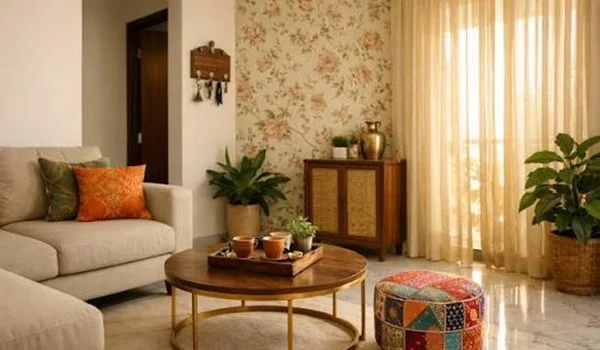
If you prefer stronger colours, use them as accents through cushions, artwork or small decorative pieces rather than covering every wall in dark shades.
A consistent colour palette can also make the room feel less visually crowded.
Use Furniture That Fits the Room
Large sofas can quickly make a compact living room feel smaller. Choose furniture according to the actual dimensions of the room rather than buying the largest pieces available.
A compact sofa, slim chairs or a small sectional may work better than bulky traditional furniture. Furniture with visible legs can also create a greater sense of open floor space.
Before purchasing anything, measure the available area and leave enough room for comfortable movement.
Keep the Floor Less Crowded
Open floor space has a major effect on how spacious a room feels. Avoid filling every corner with stools, tables, cabinets and decorative items.
Keep clear walking paths between the entrance, seating area and other parts of the home. If possible, place frequently used furniture against suitable walls while maintaining comfortable circulation.
The goal is not to remove everything but to keep only what is useful.
Make Better Use of Natural Light
Natural light can make a small room feel considerably more open. Keep windows as clear as possible and avoid placing tall furniture directly in front of them.
Use curtains that allow sufficient daylight into the room. Light-coloured or sheer curtains can work particularly well during the daytime while still providing some privacy.
Clean windows regularly so that maximum natural light can enter the room.
Add Mirrors Carefully
A strategically placed mirror can create the impression of greater depth by reflecting light and parts of the room.
A large mirror on a suitable wall can be more effective than several small decorative mirrors. Placing it where it reflects a window or a well-lit area can further brighten the space.
However, avoid using too many mirrors, as excessive reflection can make the room feel visually busy.
Choose a Compact Centre Table
A large centre table can consume valuable floor space. Consider a smaller coffee table, nesting tables or a lightweight design that can be moved when necessary.
Round or oval tables can also make movement around seating areas easier because they do not have sharp corners.
In very small rooms, a side table may be sufficient instead of a traditional centre table.
Use Vertical Storage
When floor space is limited, use the walls more effectively.
Wall-mounted shelves, floating cabinets and vertical storage units can provide space for books, décor and everyday items without occupying too much floor area.
Keep open shelves reasonably organised. Too many objects on shelves can create the opposite effect and make the living room appear cluttered.
Reduce Visual Clutter
Even a well-designed small living room can look cramped if too many objects are visible.
Keep remote controls, newspapers, children’s items and other everyday belongings in designated storage areas. Use baskets, storage boxes or cabinets to keep frequently used items organised.
A simple rule is to regularly remove things that do not belong in the living room.
Use One Larger Decorative Element
Small rooms do not always benefit from many small decorative pieces. Several small frames, showpieces and wall decorations can make the walls look crowded.
Instead, consider one larger artwork, a simple wall feature or a carefully selected decorative piece.
This creates a cleaner visual appearance while still giving the room personality.
Select the Right Curtains
Curtains can influence how large a room appears. Hanging curtains slightly higher than the window frame and allowing them to extend closer to the floor can create a sense of greater height.
Choose simple designs and avoid extremely heavy patterns if the room is already small.
Curtains that blend reasonably well with the wall colour can also create a more continuous visual appearance.
Use Rugs Strategically
A rug can help define the seating area, but choosing one that is too small may make the room look fragmented.
For a compact living room, select a rug that works well with the sofa and nearby furniture. Simple patterns and moderate colours are generally easier to integrate into a small space.
Make sure the rug does not interfere with doors or walking paths.
Improve the Lighting
Do not rely only on a single ceiling light. Multiple sources of light can add depth to a compact living room.
You can combine a ceiling fixture with a floor lamp, wall light or table lamp. Use brighter lighting where necessary and softer lighting for relaxed evening use.
Well-distributed lighting can eliminate dark corners and make the entire room feel more balanced.
Keep the TV Area Simple
A bulky entertainment unit can take up significant space. If practical and safe, a wall-mounted television with a compact storage unit underneath can reduce the amount of floor furniture.
Keep cables organised and avoid filling the TV wall with too many decorative elements.
If wall mounting is not suitable for your apartment, choose a slim TV unit that provides useful storage without dominating the room.
Use Multi-Purpose Furniture
Furniture that performs more than one function can be particularly useful in small Indian homes.
For example, an ottoman with storage can provide seating and hold everyday items. A nesting table can provide additional surfaces when guests arrive and be stored away afterward.
Similarly, a compact sofa with suitable storage can help reduce the need for additional cabinets.
Avoid Overdecorating
A spacious-looking room usually has a clear visual structure. Too many cushions, plants, showpieces, wall decorations and furniture pieces can make even a reasonably sized room feel smaller.
Choose a few items that you genuinely like and arrange them with enough space between them.
Keep the Room Organised Every Day
Maintaining the room is just as important as setting it up. Put items back after use, keep surfaces reasonably clear and regularly review things that have accumulated.
This is especially useful in Indian family homes where the living room may be used by several people throughout the day.
Final Thoughts
Making a small Indian living room look spacious is mainly about creating visual openness rather than physically increasing the room. Light colours, appropriately sized furniture, clear walking areas, natural light, mirrors, vertical storage and thoughtful lighting can make a significant difference.
Start with the simplest changes first—declutter the room, rearrange existing furniture and improve lighting. Once the basics are done, you can gradually add curtains, rugs, storage or decorative elements according to your budget.