
Clean drinking water is essential for a healthy life, but “clean” doesn’t always mean the same thing. In India, water quality varies widely depending on the source—municipal supply, borewell, tanker, or packaged water. One of the most important indicators of water quality is TDS level in drinking water.
If you use an RO purifier or have ever checked your water with a TDS meter, you’ve likely seen numbers like 80 ppm, 250 ppm, or even 700 ppm. But what do these numbers really mean? And what is the permissible limit of TDS in drinking water?
This article explains everything in simple, practical terms so you can make better decisions about your drinking water at home.
What is TDS in Drinking Water?
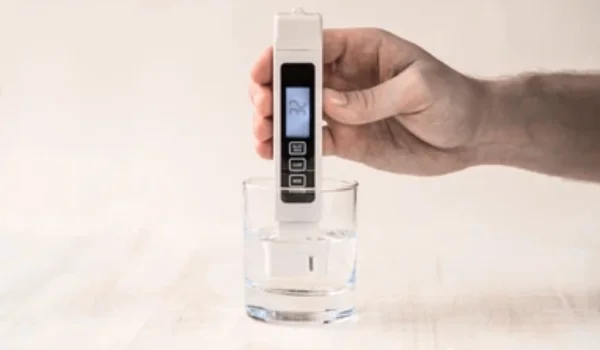
TDS stands for Total Dissolved Solids. It refers to all the substances dissolved in water that you cannot see with the naked eye.
These include:
- Natural minerals like calcium and magnesium
- Salts such as sodium chloride
- Metals like iron (and sometimes harmful ones like lead in polluted water)
- Small amounts of organic matter
Units of Measurement
TDS is measured in:
- ppm (parts per million)
- mg/L (milligrams per litre)
Both units are essentially the same.
👉 Example:
If your water has 200 ppm TDS, it means there are 200 mg of dissolved solids in 1 litre of water.
Why TDS Level in Drinking Water Matters in India
India faces a unique challenge when it comes to water quality. Different regions have different water conditions:
- Delhi, Haryana, Rajasthan: Often high TDS due to groundwater
- Coastal areas: Higher salt content
- Industrial zones: Risk of chemical contamination
- Hill regions: Usually lower TDS, but may lack minerals
Because of these variations, knowing your TDS level in drinking water helps you:
- Decide if water is safe to drink
- Choose the right water purifier (RO, UV, UF)
- Maintain proper mineral balance
Permissible Limit of TDS in Drinking Water
In India, water quality guidelines are influenced by standards from organizations like the World Health Organization.
TDS of Drinking Water as per WHO
WHO does not set a strict health-based limit for TDS, but it provides guidance based on taste and acceptability:
- Up to 300 ppm → Excellent
- 300–600 ppm → Good
- 600–900 ppm → Fair
- 900–1200 ppm → Poor
- Above 1200 ppm → Unacceptable
Indian Perspective (Practical View)
For daily use in Indian homes:
- 50–150 ppm → Ideal for drinking
- 150–300 ppm → Acceptable
- 300–500 ppm → Use with caution
- Above 500 ppm → Not recommended
👉 So, the commonly accepted permissible limit of TDS in drinking water is up to 300 ppm, while anything above 500 ppm should be treated before drinking.
TDS Level Chart for Easy Understanding
| TDS Level (ppm) | Water Quality | Suitability |
| 0–50 | Very low | Not ideal (low minerals) |
| 50–150 | Excellent | Best for drinking |
| 150–300 | Good | Acceptable |
| 300–500 | Fair | Use with caution |
| 500+ | Poor | Not safe for regular use |
High TDS vs Low TDS: What’s the Difference?
High TDS Water (Above 300 ppm)
Common in: Borewell water, tanker supply
Effects:
- Salty, bitter, or metallic taste
- Scaling in pipes and appliances
- Possible presence of harmful substances
Health concerns:
- Excess sodium may affect blood pressure
- Heavy metals (if present) can be dangerous
Low TDS Water (Below 50 ppm)
Common in: RO or distilled water
Effects:
- Flat or tasteless water
- Lack of essential minerals
Health concerns:
- Long-term use may reduce mineral intake (if diet is also weak)
Ideal TDS Level for Drinking Water
The best TDS level in drinking water is not the lowest—it’s the most balanced.
👉 Ideal range: 50–150 ppm
Why this range works:
- Provides essential minerals like calcium and magnesium
- Ensures good taste
- Reduces risk of contaminants
RO Water and TDS
Reverse Osmosis (RO) purifiers are widely used in India due to high TDS in groundwater.
How RO Works
RO technology removes:
- Dissolved salts
- Heavy metals
- Harmful chemicals
This process reduces TDS significantly.
Is Low TDS RO Water Safe?
This is a common concern.
- RO water with very low TDS (<50 ppm) is safe in the short term
- But for daily consumption, it’s better to maintain balanced TDS (80–150 ppm)
Modern RO systems include:
- TDS controller
- Mineral cartridge
These help maintain the safe TDS for RO water.
Taste and TDS: What You Feel
TDS directly affects how water tastes:
- Low TDS (0–50 ppm) → Flat taste
- Moderate TDS (50–150 ppm) → Fresh, pleasant taste
- High TDS (>300 ppm) → Salty or bitter
So if your water tastes “off,” TDS could be the reason.
How to Check TDS at Home
Monitoring your water quality is easy and affordable.
Use a TDS Meter
A TDS meter is a small device that gives instant readings.
Steps:
- Fill a glass with water
- Turn on the meter
- Dip it into the water
- Read the value
Cost in India
- ₹150 to ₹500
- Easily available online or in local markets
This simple tool helps you track your water quality in India regularly.
Practical Tips for Indian Households
- Know Your Water Source
- Borewell → Likely high TDS
- Municipal → Usually moderate TDS
- Choose the Right Purifier
- TDS > 300 ppm → Use RO
- TDS < 300 ppm → UV/UF may be enough
- Avoid Over-Purification
Very low TDS water is not always better. Maintain balance.
- Maintain Your Purifier
- Change filters regularly
- Service once a year
- Store Water Safely
- Use clean containers
- Keep them covered
- Avoid long storage
Common Myths About TDS
Myth 1: Lower TDS is Always Better
❌ Not true. Very low TDS water lacks essential minerals.
Myth 2: High TDS Always Means Unsafe Water
❌ Not always. Some minerals are harmless, but high TDS needs testing.
Myth 3: Boiling Reduces TDS
❌ Boiling kills bacteria but does not remove dissolved solids.
FAQs on Drinking Water TDS
- What is the ideal TDS level in drinking water?
The ideal range is 50–150 ppm.
- What is the permissible limit of TDS in drinking water?
Up to 300 ppm is acceptable, but above 500 ppm is not recommended.
- What is the TDS of drinking water as per WHO?
WHO suggests that water below 300 ppm is excellent in taste and quality.
- Is 700 TDS water safe?
No, it is not suitable for drinking without purification.
- Can I drink RO water daily?
Yes, but ensure TDS is maintained between 80–150 ppm.
- Does TDS affect health directly?
TDS itself is not harmful, but very high levels may indicate harmful contaminants.
Final Thoughts
Understanding TDS level in drinking water is essential for every Indian household. It helps you go beyond just “clean-looking water” and ensures that what you drink is actually safe and healthy.
- Balanced TDS (50–150 ppm) is ideal
- High TDS may indicate contamination
- Very low TDS may lack essential minerals
Instead of blindly trusting your water source or purifier, take a simple step—check your TDS regularly. It’s one of the easiest ways to protect your family’s health.
If you manage your water wisely, you’re not just drinking water—you’re investing in long-term wellness.