
Managing time effectively is one of the most valuable skills a student can develop. Good time management helps you complete assignments on time, prepare for exams without last-minute stress, and maintain a healthy balance between studies and personal life.
Whether you’re in school, college, or preparing for competitive exams, using the right time management techniques can improve both your productivity and confidence.
Why Time Management Is Important for Students
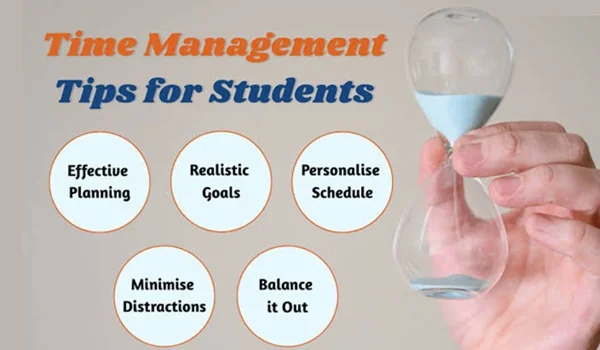
Good time management can help you:
- Complete assignments before deadlines.
- Reduce exam stress.
- Improve concentration.
- Balance study and personal time.
- Develop better study habits.
- Achieve academic goals more consistently.
Learning to manage your time today can also benefit your future career.
- Set Clear Goals
Start by deciding what you want to achieve.
Your goals may include:
- Finishing homework.
- Improving exam scores.
- Reading a chapter every day.
- Completing a project on time.
Clear goals help you stay focused and motivated.
- Create a Daily Study Schedule
A study schedule helps you use your time wisely.
Include time for:
- School or college.
- Homework.
- Revision.
- Breaks.
- Physical activity.
- Sleep.
Choose study hours when you feel most alert.
- Prioritize Important Tasks
Not every task has the same level of importance.
Try dividing tasks into:
- Urgent and important.
- Important but not urgent.
- Less important.
- Optional activities.
Complete high-priority work first.
- Break Large Tasks into Smaller Steps
Big assignments can feel overwhelming.
Instead of trying to finish everything at once:
- Divide projects into smaller tasks.
- Set mini-deadlines.
- Complete one section at a time.
Small achievements keep you motivated.
- Avoid Procrastination
Putting off work often creates unnecessary stress.
To reduce procrastination:
- Start with the easiest task.
- Remove distractions.
- Set short deadlines.
- Reward yourself after completing study sessions.
Beginning a task is often the hardest part.
- Use a Planner or Calendar
Keep track of important dates such as:
- Assignment deadlines.
- Exams.
- School events.
- Project submissions.
Digital calendars and paper planners both work well.
- Follow the Pomodoro Technique
The Pomodoro Technique is a popular study method.
A simple approach is:
- Study for 25 minutes.
- Take a 5-minute break.
- Repeat four times.
- Then take a longer break of 15–30 minutes.
Short breaks help maintain focus during long study sessions.
- Eliminate Distractions
Distractions reduce productivity.
While studying:
- Keep your phone on silent or out of reach.
- Turn off unnecessary notifications.
- Study in a quiet place.
- Keep only the materials you need on your desk.
A distraction-free environment improves concentration.
- Learn to Say No
You don’t have to accept every invitation or activity.
If exams or assignments are approaching, it’s okay to politely decline plans that may interfere with your priorities.
Balancing responsibilities is an important life skill.
- Review Your Progress Regularly
At the end of each day or week, ask yourself:
- What did I complete?
- What is still pending?
- What can I improve next week?
Regular reviews help you stay on track.
- Take Regular Breaks
Studying continuously for long hours can reduce concentration.
During breaks:
- Stretch your body.
- Drink water.
- Take a short walk.
- Rest your eyes.
Returning with a fresh mind often improves learning.
- Get Enough Sleep
Sleep is essential for memory and concentration.
Most students benefit from a consistent sleep schedule and enough rest each night.
Avoid staying up late regularly, especially before exams.
- Stay Organized
An organized study space saves time.
Keep:
- Books arranged.
- Notes organized.
- Stationery in one place.
- Digital files properly named.
Being organized reduces unnecessary delays.
- Avoid Multitasking
Trying to do multiple tasks at once can reduce focus.
Instead:
- Study one subject at a time.
- Complete one assignment before starting another.
- Give your full attention to the current task.
Focused work is usually more productive.
- Make Time for Health and Relaxation
Good time management also includes taking care of yourself.
Make time for:
- Exercise.
- Healthy meals.
- Family.
- Hobbies.
- Relaxation.
A balanced routine supports both academic success and overall well-being.
Simple Daily Time Management Routine
A sample routine might look like this:
| Time | Activity |
| Morning | Review class notes or prepare for the day |
| School/College Hours | Attend classes and take organized notes |
| Afternoon | Rest and have a healthy meal |
| Evening | Homework and focused study session |
| Night | Revision, plan the next day, and get enough sleep |
Adjust the schedule based on your classes and personal routine.
Common Time Management Mistakes to Avoid
Many students struggle because they:
- Delay important tasks.
- Study without a plan.
- Spend too much time on social media.
- Skip breaks.
- Sleep too little.
- Ignore deadlines.
- Try to multitask.
Recognizing these habits is the first step toward improving them.
Time Management Tips for Exam Preparation
During exam season:
- Start revising early.
- Create a realistic revision timetable.
- Focus on difficult subjects first.
- Practice previous years’ question papers if available.
- Take regular short breaks.
- Avoid last-minute cramming whenever possible.
Consistent preparation is generally more effective than studying everything at the last minute.
Time Management Checklist
| Habit | Benefit |
| Set daily goals | Keeps you focused |
| Use a planner | Tracks deadlines |
| Prioritize tasks | Completes important work first |
| Study in short sessions | Improves concentration |
| Remove distractions | Increases productivity |
| Take breaks | Prevents mental fatigue |
| Sleep well | Supports learning and memory |
| Review progress | Helps improve planning |
Frequently Asked Questions
What is the best time management technique for students?
There is no single best method for everyone, but techniques such as creating a study schedule, prioritizing tasks, using the Pomodoro Technique, and avoiding distractions work well for many students.
How can I stop procrastinating while studying?
Break large tasks into smaller steps, start with an easy task, remove distractions, and set short study goals with regular breaks.
How many hours should students study each day?
The ideal study time varies depending on age, workload, and learning needs. Consistent, focused study sessions are generally more effective than studying for long hours without concentration.
Why are breaks important during study sessions?
Short breaks help reduce mental fatigue, improve focus, and make it easier to stay productive over longer study periods.
Final Thoughts
Effective time management helps students stay organized, reduce stress, and perform better academically. By setting clear goals, creating a realistic study schedule, prioritizing important tasks, avoiding distractions, and maintaining a healthy balance between study and personal life, you can make better use of your time. Developing these habits early will not only support your education but also prepare you for future personal and professional success.