
Preparing nutritious and satisfying meals for the whole family does not always require expensive ingredients. Indian kitchens have a wide variety of affordable foods that can be combined into simple, flavourful and filling meals.
Staples such as rice, wheat flour, dal, seasonal vegetables, potatoes, chickpeas and locally available fruits can form the foundation of an everyday family menu. With thoughtful meal planning, these ingredients can be used in several different dishes throughout the week.
Why Affordable Foods Matter for Family Meals
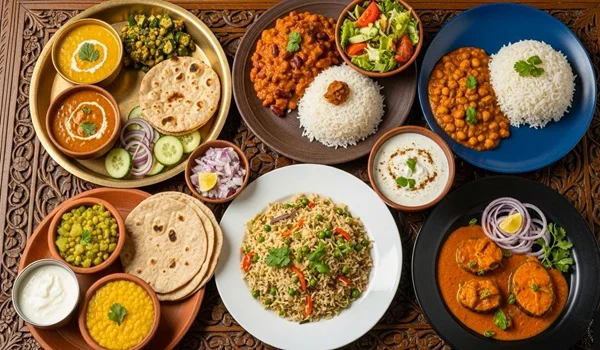
Food expenses can make up a significant part of a household budget, particularly when meals are prepared for several family members. Choosing economical ingredients can help control spending without making meals repetitive or uninteresting.
Indian cuisine is particularly suited to budget-friendly cooking because many traditional dishes rely on inexpensive staples, pulses, grains and vegetables.
The objective is not simply to buy the cheapest food available. Instead, it is about choosing affordable ingredients that provide good variety, satiety and nutritional value.
Dal
Dal is one of the most practical everyday foods for Indian families. Different varieties of lentils and pulses can be prepared with relatively simple ingredients and paired with rice, roti or vegetables.
Moong dal, masoor dal, toor dal and chana dal can all be used in different recipes. Rotating between varieties can add diversity to the weekly menu.
Dal can also be combined with vegetables to make dishes such as dal palak or mixed vegetable dal.
Rice
Rice is an important staple in many Indian households and can be used in numerous everyday meals.
Plain rice can be served with dal, rajma, chole, sambar or vegetables. Leftover cooked rice, when stored safely, can also be used for preparations such as lemon rice, vegetable rice or simple fried rice.
Buying rice in quantities appropriate for household consumption can sometimes make grocery planning more economical.
Wheat Flour and Roti
Wheat flour is another versatile staple. Roti can accompany dal, vegetables, chickpeas, kidney beans and several other Indian dishes.
Instead of making a completely different main dish every day, families can rotate vegetable preparations while keeping roti as a regular staple.
Roti can also be used to prepare simple rolls with leftover vegetables, paneer or other suitable fillings.
Potatoes
Potatoes are affordable, widely available and extremely versatile. They can be prepared as a simple sabzi, mixed with peas or other vegetables, added to paratha filling or used in dishes such as aloo matar.
Because potatoes can be stored for relatively longer than many fresh vegetables under suitable conditions, they can be useful for weekly meal planning.
However, they work best as part of a varied diet rather than as the only vegetable served regularly.
Seasonal Vegetables
Buying seasonal vegetables can be a practical way to control grocery costs. Prices and availability vary by region and season, so the most economical choices will differ from one household to another.
Vegetables can be used in simple sabzis, curries, pulao, mixed vegetable dishes, soups and stuffed parathas.
Instead of purchasing a large quantity of one vegetable, families can choose several affordable seasonal options and rotate them through the week.
Chickpeas
Chickpeas are an economical source of plant-based protein and can be used in several Indian dishes.
Chole is a popular option when cooked with onions, tomatoes and spices. Chickpeas can also be added to salads, wraps or mixed vegetable preparations.
Dried chickpeas generally require soaking and cooking, so planning ahead can make them more convenient.
Kidney Beans
Rajma is another popular pulse that works well with rice or roti. It can be included in a weekly rotation rather than being served too frequently.
A simple rajma meal with rice, salad and curd can make a satisfying family lunch.
Chana and Roasted Gram
Chana can be used in curries, salads and snacks. Roasted gram is also convenient for quick snacks and can be combined with other foods according to individual preferences.
These ingredients are particularly useful when families want alternatives to packaged snack foods.
Eggs
For households that eat eggs, they can be a practical and relatively affordable food to include in everyday meals.
Boiled eggs, egg bhurji, omelettes and egg curry can provide variety. Eggs can be paired with roti, bread, rice or vegetables.
Prices vary by location, so whether eggs are economical for a particular household depends on local prices and dietary preferences.
Curd
Homemade or locally available curd can complement many Indian meals. It can be served with rice, paratha, pulao or khichdi.
Curd can also be used to prepare raita with cucumber, onion, carrot or other suitable vegetables.
Poha
Poha is a useful affordable breakfast ingredient. It cooks quickly and can be prepared with onions, peanuts, peas and seasonal vegetables.
A basic poha recipe can be modified according to what is available in the kitchen, making it a practical choice for busy mornings.
Besan
Besan, or gram flour, is another versatile pantry ingredient. It can be used to make besan chilla, kadhi and several snacks and batters.
Besan chilla with vegetables and curd can make a simple breakfast, while kadhi can be paired with rice for an economical family meal.
Khichdi
Khichdi is one of the simplest ways to combine rice and dal in one meal. Vegetables can be added when available.
It requires relatively few ingredients and can be adapted to different household preferences. It can also be useful on days when the family wants a simple homemade meal.
Peanuts
Peanuts are affordable in many parts of India and can add flavour and texture to dishes such as poha, upma and salads.
They can also be roasted and used as a simple snack, depending on individual dietary needs.
Affordable Indian Meal Combinations
A budget-friendly family meal does not have to consist of only one dish. Simple combinations can provide variety without requiring expensive ingredients.
Some practical combinations include:
Dal, rice and seasonal vegetable: A classic everyday combination that can be adjusted according to available produce.
Roti, dal and sabzi: Simple, familiar and suitable for regular lunches or dinners.
Rajma and rice: A filling meal that can be prepared in larger quantities for a family.
Chole and roti: Chickpeas paired with roti make a practical meal for many households.
Khichdi with curd: An easy option when you want something simple.
Aloo matar with roti: Potatoes and peas can make an economical vegetable preparation.
Besan chilla with curd: A convenient breakfast or light meal.
Poha with fruit or curd: A simple breakfast option that can be prepared quickly.
How to Keep Family Food Costs Under Control
Meal planning can make affordable cooking even easier. Before shopping, check which staples and vegetables are already available at home.
Try to build the week’s menu around ingredients that can be used in multiple dishes. For example, tomatoes, onions, potatoes and coriander may be used across several recipes.
Buying excessive quantities simply because an item is inexpensive can lead to food waste. It is usually better to purchase an amount that your family can reasonably consume.
Cooking appropriate portions can also help prevent unnecessary leftovers.
Avoid Making Budget Meals Too Repetitive
Affordable cooking does not mean eating the same dish every day. The same basic ingredients can be prepared differently.
For example, chickpeas can become chole, a salad ingredient or a filling. Dal can be served with rice one day and roti on another. Seasonal vegetables can be used in sabzi, pulao or paratha filling.
Using different spices, cooking methods and combinations can make economical ingredients feel like completely different meals.
Final Thoughts
Affordable Indian foods can form the foundation of satisfying everyday family meals without requiring an expensive grocery basket. Dal, rice, roti, seasonal vegetables, potatoes, chickpeas, besan, poha, curd and other locally available staples offer plenty of possibilities.
The most effective approach is to plan meals around affordable staples, buy seasonal produce, use ingredients efficiently and maintain variety throughout the week. With simple cooking and sensible grocery planning, families can enjoy homemade meals that are practical, flavourful and suitable for everyday life.