
Clean and safe drinking water is one of the most important needs for every Indian household. Whether you live in a metro city or a small town, water quality can vary a lot. You may have heard people talking about TDS level in drinking water, especially if you use an RO purifier. But what exactly is TDS, and why does it matter?
In this detailed guide, we’ll break down everything you need to know about TDS in simple, easy-to-understand language — including ideal levels, health effects, and practical tips for Indian homes.
What is TDS and Why It Matters in India
In India, water sources differ widely — from groundwater (borewell) to municipal supply and tanker water. Many of these sources contain dissolved minerals, salts, and sometimes harmful substances.
This is where TDS becomes important. It helps you understand the overall quality of your drinking water.
High TDS is common in:
- Borewell water (especially in Delhi, Haryana, Rajasthan)
- Areas with hard water
- Regions with industrial pollution
Low TDS, on the other hand, is often seen in:
- RO-purified water
- Distilled water
So, knowing your water’s TDS level can help you decide whether it’s safe to drink or needs treatment.
What is TDS in Water?
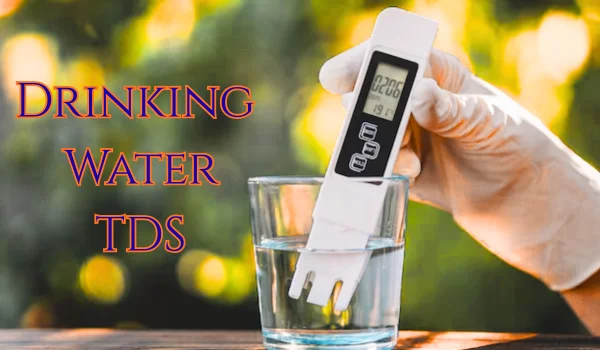
TDS stands for Total Dissolved Solids. It refers to the total amount of dissolved substances present in water.
These include:
- Minerals (calcium, magnesium, potassium)
- Salts (sodium chloride)
- Metals (iron, lead in contaminated cases)
- Organic matter
Units of Measurement
TDS is measured in:
- ppm (parts per million)
- mg/L (milligrams per litre)
Both units mean the same thing.
👉 Example:
If water has 100 ppm TDS, it means there are 100 mg of dissolved solids in 1 litre of water.
Ideal TDS Level for Drinking Water
For Indian households, experts generally recommend a TDS level between 50–300 ppm.
Why this range?
- Below 50 ppm → Too low (lacks essential minerals)
- 50–150 ppm → Best for drinking (balanced minerals)
- 150–300 ppm → Still acceptable
- Above 300 ppm → May not be safe or tasty
Guidelines from organizations like World Health Organization suggest that very high TDS can affect taste and potentially indicate contamination.
TDS Level Chart (Easy Understanding)
Here’s a simple classification of TDS levels:
| TDS Level (ppm) | Water Quality | Suitability |
| 0–50 | Very low | Not ideal for regular drinking |
| 50–150 | Excellent | Ideal for drinking |
| 150–300 | Good | Acceptable |
| 300–500 | Fair | Use with caution |
| 500+ | Poor | Not recommended |
What Happens if TDS is Too High or Too Low?
High TDS (Above 300 ppm)
Problems:
- Salty or bitter taste
- May contain harmful contaminants
- Causes scaling in pipes and appliances
Health concerns:
- Excess sodium can affect blood pressure
- Heavy metals (if present) can be toxic
Low TDS (Below 50 ppm)
Problems:
- Flat or bland taste
- Lack of essential minerals like calcium and magnesium
Health concerns:
- Long-term use may lead to mineral deficiency (if diet is also poor)
High TDS vs Low TDS: Key Differences
| Factor | High TDS | Low TDS |
| Taste | Salty, bitter | Flat |
| Minerals | Too many | Too few |
| Health Risk | Possible contaminants | Mineral deficiency risk |
| Source | Borewell, polluted water | RO, distilled water |
👉 Balance is the key — neither too high nor too low.
RO Water and TDS
Reverse Osmosis (RO) purifiers are very popular in India, especially in cities like Delhi, where groundwater TDS is often high.
Why RO Reduces TDS
RO systems push water through a semi-permeable membrane that removes:
- Dissolved salts
- Heavy metals
- Chemicals
This significantly reduces TDS levels.
Is Very Low TDS RO Water Safe?
This is a common question among Indian users.
- RO water with very low TDS (below 50 ppm) is not harmful in the short term
- But for long-term use, it’s better to maintain 50–150 ppm
Many modern purifiers include a TDS controller or mineral cartridge to balance minerals.
👉 So, the ideal safe TDS for RO water is around 80–150 ppm.
How to Check TDS at Home
Checking TDS is simple and affordable.
Use a TDS Meter
A TDS meter is a small handheld device that instantly measures water quality.
Steps:
- Turn on the meter
- Dip it into a glass of water
- Read the value on the screen
Cost in India
- Basic TDS meter: ₹150–₹500
- Available online and in local markets
It’s a one-time investment that helps you monitor your water quality in India regularly.
Tips to Maintain Safe Drinking Water
Here are some practical tips for Indian households:
- Test Water Regularly
Check TDS every few weeks, especially if you use borewell or tanker water.
- Choose the Right Purifier
- TDS > 300 → Use RO
- TDS < 300 → UV/UF may be enough
- Maintain Your RO System
- Change filters on time
- Service annually
- Avoid Over-Purification
Don’t reduce TDS too much. Balanced minerals are important.
- Store Water Properly
Use clean, covered containers to avoid contamination.
FAQs on TDS in Drinking Water
- What is the ideal TDS level in drinking water?
The ideal range is 50–150 ppm, while up to 300 ppm is acceptable.
- Is 500 TDS water safe to drink?
It is not recommended for regular drinking. It may affect taste and could contain harmful substances.
- What is the safe TDS for RO water?
The ideal safe TDS for RO water is 80–150 ppm.
- Does boiling water reduce TDS?
No, boiling kills bacteria but does not reduce TDS.
- Can low TDS water be harmful?
Very low TDS (below 50 ppm) lacks essential minerals and may not be ideal for long-term use.
- Which is better: RO or normal water?
It depends on your water source:
- High TDS → RO is better
- Low TDS → RO may not be needed
Final Thoughts
Understanding TDS level in drinking water is essential for every Indian household. It’s not just about purity — it’s about balance.
- Too high TDS can mean contamination
- Too low TDS can mean lack of minerals
- The sweet spot lies between 50–150 ppm
By regularly checking your water and using the right purification method, you can ensure safe, healthy drinking water for your family.
If you use an RO system, don’t just focus on purification — focus on maintaining the right TDS level.