
Strong communication skills are essential in every workplace. Whether you’re speaking with colleagues, writing emails, attending meetings, or interacting with clients, clear and respectful communication helps build trust, reduce misunderstandings, and improve teamwork.
The good news is that communication is a skill you can develop with regular practice. This guide explains practical ways to improve your communication skills at work.
Why Communication Skills Matter at Work
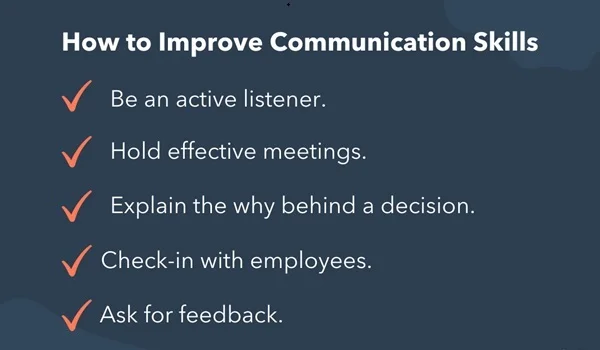
Good workplace communication can help you:
- Build stronger professional relationships.
- Improve teamwork and collaboration.
- Reduce misunderstandings.
- Increase productivity.
- Solve problems more effectively.
- Create a positive professional image.
Strong communicators are often better equipped to handle workplace challenges and career growth.
- Become a Better Listener
Communication starts with listening.
Practice active listening by:
- Giving the speaker your full attention.
- Avoiding interruptions.
- Maintaining appropriate eye contact.
- Asking questions to clarify information.
- Summarizing key points when needed.
Listening carefully helps you understand others before responding.
- Speak Clearly and Confidently
When sharing your ideas:
- Speak at a comfortable pace.
- Use simple and direct language.
- Organize your thoughts before speaking.
- Avoid using too much technical jargon unless your audience understands it.
Clear communication makes your message easier to understand.
- Improve Your Written Communication
Professional writing is important for emails, reports, and messages.
Before sending written communication:
- Check grammar and spelling.
- Keep sentences short and clear.
- Use a professional tone.
- Include only relevant information.
- Proofread before sending.
Well-written messages reduce confusion and save time.
- Think Before You Respond
Avoid reacting immediately, especially during stressful situations.
Instead:
- Take a moment to understand the issue.
- Consider your response carefully.
- Stay calm and respectful.
- Focus on solving the problem.
Thoughtful responses often lead to better conversations.
- Build Your Vocabulary
A broader vocabulary helps you express ideas more accurately.
You can improve by:
- Reading books and articles.
- Learning new professional terms.
- Practicing their correct usage.
- Avoiding overly complicated words when simple ones work better.
The goal is clarity, not complexity.
- Pay Attention to Body Language
Non-verbal communication can influence how your message is received.
Positive body language includes:
- Good posture.
- Appropriate eye contact.
- A friendly facial expression.
- Open gestures.
- Attentive listening.
Your body language should match your words.
- Ask Questions
Don’t hesitate to ask questions if something is unclear.
Questions help you:
- Avoid misunderstandings.
- Learn faster.
- Show interest.
- Confirm expectations.
It’s usually better to ask for clarification than make incorrect assumptions.
- Adapt Your Communication Style
Different people prefer different communication styles.
Consider your audience when speaking with:
- Managers.
- Team members.
- Clients.
- Customers.
- New employees.
Adjust your language and level of detail based on who you’re communicating with.
- Give and Receive Feedback Professionally
Constructive feedback helps everyone improve.
When giving feedback:
- Focus on the issue, not the person.
- Be specific.
- Offer practical suggestions.
- Stay respectful.
When receiving feedback:
- Listen without interrupting.
- Ask questions if needed.
- Consider how you can improve.
- Avoid becoming defensive.
- Improve Your Presentation Skills
Presenting ideas confidently is valuable in many workplaces.
Practice by:
- Preparing in advance.
- Organizing your points logically.
- Speaking clearly.
- Using simple visuals when appropriate.
- Allowing time for questions.
Confidence grows with practice.
- Be Respectful During Conversations
Professional communication should always be respectful.
Remember to:
- Avoid interrupting others.
- Use polite language.
- Respect different opinions.
- Stay calm during disagreements.
- Thank others for their input.
Respect helps build positive working relationships.
- Practice Emotional Intelligence
Understanding emotions improves communication.
Try to:
- Stay calm under pressure.
- Recognize your emotions.
- Show empathy toward others.
- Manage workplace conflicts professionally.
Emotional intelligence supports better teamwork and leadership.
- Participate in Meetings
Meetings provide opportunities to improve communication.
Before meetings:
- Review the agenda.
- Prepare your questions.
- Bring necessary information.
During meetings:
- Listen carefully.
- Share ideas clearly.
- Stay focused on the topic.
- Take notes when appropriate.
- Learn to Handle Difficult Conversations
Some workplace discussions may involve disagreements or sensitive topics.
Handle them by:
- Staying calm.
- Listening carefully.
- Focusing on facts.
- Looking for solutions.
- Remaining professional.
Avoid personal criticism and emotional reactions.
- Practice Every Day
Communication improves through regular use.
Daily habits include:
- Speaking with confidence.
- Writing professional emails.
- Asking thoughtful questions.
- Listening actively.
- Seeking feedback.
Small improvements each day can lead to significant progress over time.
Tips to Improve Workplace Communication
Follow these practical habits:
- Be clear and concise.
- Listen more than you speak.
- Avoid making assumptions.
- Confirm important information.
- Maintain a positive attitude.
- Continue learning from every conversation.
Consistent practice is the key to becoming a better communicator.
Common Communication Mistakes to Avoid
Many professionals unintentionally make these mistakes:
- Interrupting others.
- Speaking without listening.
- Using unclear language.
- Sending emails without proofreading.
- Ignoring non-verbal communication.
- Reacting emotionally during disagreements.
- Assuming others understand without confirming.
Recognizing these habits can help you improve your communication.
Communication Skills Checklist
| Skill | Benefit |
| Active listening | Improves understanding |
| Clear speaking | Reduces confusion |
| Professional writing | Creates effective communication |
| Body language | Builds confidence and trust |
| Asking questions | Prevents misunderstandings |
| Giving feedback | Supports improvement |
| Emotional intelligence | Strengthens relationships |
| Presentation skills | Increases confidence |
| Respectful communication | Improves teamwork |
| Daily practice | Builds long-term communication skills |
Frequently Asked Questions
How can I improve my communication skills at work?
Practice active listening, speak clearly, improve your writing, ask questions, seek feedback, and communicate respectfully with colleagues. Regular practice is the best way to improve.
Why is listening important in communication?
Listening helps you understand information accurately, reduces misunderstandings, and shows respect for the person speaking.
How can I become more confident while speaking?
Prepare your thoughts in advance, practice regularly, maintain good posture, speak at a steady pace, and focus on sharing your message rather than trying to be perfect.
Can communication skills improve over time?
Yes. Like any professional skill, communication improves with consistent practice, feedback, and real-world experience.
Final Thoughts
Strong communication skills can improve your performance, strengthen workplace relationships, and support long-term career growth. By listening actively, speaking clearly, writing professionally, adapting your communication style, and practicing every day, you can become a more effective and confident communicator. Small improvements made consistently can have a lasting impact on your success at work.