
Life is full of uncertainties, and unexpected events can create financial challenges for any family. Insurance helps reduce the financial burden by providing protection against risks such as medical emergencies, accidents, property damage, and loss of income.
With so many insurance options available, it can be difficult to know which ones are truly important. While every family’s needs are different, certain types of insurance provide essential financial protection for most households.
In this guide, you’ll learn about the different types of insurance every family should know, how they work, and why they matter.
What Is Insurance?
Insurance is a financial agreement between you and an insurance company. In exchange for regular premium payments, the insurer agrees to provide financial support if a covered event occurs.
Depending on the policy, insurance may help cover:
- Medical expenses
- Property damage
- Loss of income
- Legal liability
- Repair or replacement costs
Insurance doesn’t prevent unexpected events, but it can reduce their financial impact.
Why Is Insurance Important for Families?
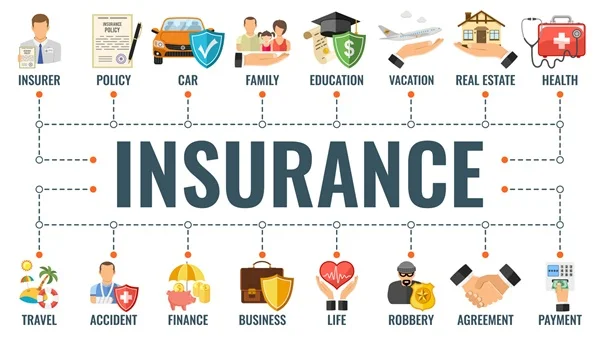
Having the right insurance can help families:
- Protect savings during emergencies
- Reduce financial stress
- Cover expensive medical bills
- Protect valuable assets
- Support loved ones financially
- Prepare for unexpected events
- Improve long-term financial security
Without insurance, a single emergency could significantly affect your family’s finances.
- Health Insurance
Health insurance helps pay for medical expenses, including hospitalization, surgeries, doctor consultations, diagnostic tests, and certain treatments, depending on the policy.
It is one of the most important types of insurance for every family because healthcare costs can be high.
Benefits
- Financial protection during medical emergencies
- Access to quality healthcare
- Coverage for hospitalization
- Reduced out-of-pocket medical expenses
- Cashless treatment at network hospitals (if available)
Many families choose individual or family floater health insurance plans based on their needs.
- Life Insurance
Life insurance provides financial support to your nominated beneficiaries if you pass away during the policy term.
It helps protect your family’s financial future by replacing lost income and covering important expenses.
Life insurance may help with:
- Household expenses
- Children’s education
- Outstanding loans
- Daily living costs
- Long-term financial security
Families with dependents often consider life insurance an important part of financial planning.
- Personal Accident Insurance
Personal accident insurance provides financial protection if the insured person suffers an accidental injury, permanent disability, or accidental death, according to the policy terms.
It can help cover:
- Medical expenses related to accidents
- Disability benefits
- Loss of income due to injury
- Financial support for family members
This type of insurance is especially useful for people who travel frequently or work in higher-risk environments.
- Home Insurance
A home is often one of a family’s most valuable assets.
Home insurance helps protect against financial losses caused by events such as:
- Fire
- Storm damage
- Theft
- Floods (if covered)
- Natural disasters (subject to policy terms)
- Damage to the building or household belongings
Coverage varies by policy, so it’s important to understand what is included and excluded.
- Motor Insurance
Motor insurance provides financial protection for cars, motorcycles, and other vehicles.
Depending on the policy, it may cover:
- Accident damage
- Theft
- Third-party liability
- Natural disasters
- Fire damage
Besides protecting your finances, motor insurance may also be legally required in many countries.
- Travel Insurance
Travel insurance helps protect against unexpected events during domestic or international travel.
Coverage may include:
- Medical emergencies
- Trip cancellation
- Flight delays
- Lost baggage
- Passport loss
- Emergency evacuation
Travel insurance is especially valuable when traveling abroad, where medical treatment can be expensive.
- Critical Illness Insurance
Critical illness insurance provides a lump-sum payment if you’re diagnosed with certain serious illnesses covered under the policy.
Examples may include:
- Certain cancers
- Heart attack
- Stroke
- Kidney failure
The payout can help cover medical treatment, household expenses, or income loss during recovery.
Always check the policy wording for covered conditions and waiting periods.
- Disability Insurance
Disability insurance helps replace part of your income if you’re unable to work because of a covered illness or injury.
It may help families continue paying for:
- Household expenses
- Loan EMIs
- Children’s education
- Daily living costs
For households that rely heavily on one income, this protection can be particularly valuable.
- Property Insurance
Property insurance protects valuable business or personal property against specific risks.
Examples include:
- Commercial buildings
- Office equipment
- Inventory
- Rental property
Business owners often use property insurance to protect their physical assets.
- Liability Insurance
Liability insurance provides financial protection if you’re legally responsible for causing injury to another person or damaging someone else’s property.
Examples include:
- Personal liability
- Professional liability
- Public liability
- Product liability
Businesses commonly purchase liability insurance, but some individuals may also benefit depending on their circumstances.
Family Insurance vs Individual Insurance
Many insurance companies offer family floater plans for health insurance.
| Family Insurance | Individual Insurance |
| Covers multiple family members under one policy | Separate policy for each person |
| Often easier to manage | Personalized coverage for each individual |
| May be cost-effective for families | Useful when family members have different insurance needs |
The right choice depends on your family’s size, health conditions, and budget.
How to Choose the Right Insurance
Before purchasing any insurance policy, consider:
- Your family’s financial needs
- Number of dependents
- Existing medical conditions
- Your income
- Current savings
- Outstanding loans
- Coverage amount
- Waiting periods
- Policy exclusions
- Premium affordability
Compare multiple policies before making a decision.
Common Insurance Terms You Should Know
| Term | Meaning |
| Premium | The amount paid for insurance coverage |
| Policy | The insurance contract |
| Coverage | Risks and benefits included in the policy |
| Claim | Request made to receive policy benefits |
| Deductible | Amount you pay before insurance contributes (if applicable) |
| Nominee | Person designated to receive policy benefits where applicable |
| Sum Insured | Maximum amount payable under the policy, subject to terms and conditions |
Understanding these terms makes it easier to compare policies.
Common Mistakes When Buying Insurance
Avoid these common mistakes:
Buying Insurance Without Comparing Policies
Different insurers offer different benefits, exclusions, and premiums.
Choosing Only the Lowest Premium
A cheaper policy may provide limited coverage.
Ignoring Policy Exclusions
Always understand what the policy does not cover.
Delaying Insurance Purchase
Buying insurance earlier may provide better financial protection and, in some cases, lower premiums.
Not Reviewing Coverage Regularly
As your family grows or your financial situation changes, your insurance needs may also change.
Tips for Managing Family Insurance
- Review policies every year.
- Update nominee details when needed.
- Keep policy documents organized.
- Inform family members about important policies.
- Pay premiums on time.
- Reassess coverage after major life events such as marriage, childbirth, or buying a home.
Summary of Important Insurance Types
| Insurance Type | Purpose |
| Health Insurance | Covers eligible medical expenses |
| Life Insurance | Provides financial support to beneficiaries |
| Personal Accident Insurance | Protects against accident-related financial loss |
| Home Insurance | Protects the home and belongings |
| Motor Insurance | Covers vehicle-related risks |
| Travel Insurance | Protects against travel-related emergencies |
| Critical Illness Insurance | Provides a lump-sum benefit for covered serious illnesses |
| Disability Insurance | Helps replace income if unable to work |
| Property Insurance | Protects valuable property |
| Liability Insurance | Covers certain legal liabilities |
Frequently Asked Questions
Which insurance is most important for a family?
Health insurance and life insurance are often considered essential because they help protect against major medical expenses and provide financial support for dependents. The right coverage depends on each family’s needs.
Can one insurance policy cover the entire family?
Yes. Some insurers offer family floater health insurance plans that cover multiple family members under a single policy. Coverage and eligibility vary by insurer.
Is travel insurance necessary for domestic trips?
It depends on your travel plans and personal preferences. While it is often associated with international travel, some people also choose travel insurance for domestic trips to cover certain unexpected events.
How often should insurance coverage be reviewed?
Review your insurance coverage at least once a year or after major life changes, such as marriage, the birth of a child, purchasing a home, or a significant change in income.
Can I have more than one type of insurance?
Yes. Many families have multiple insurance policies, such as health, life, motor, and home insurance, because each policy protects against different types of financial risks.
Final Thoughts
Insurance is an important part of a strong financial plan because it helps protect your family from unexpected financial setbacks. While no single policy can cover every situation, understanding the different types of insurance allows you to choose coverage that matches your family’s needs and long-term goals.
Instead of purchasing insurance based only on cost, focus on adequate coverage, policy benefits, exclusions, and affordability. Reviewing your insurance regularly and updating it as your family’s circumstances change can help ensure you remain financially prepared for life’s uncertainties.