
Planning a home renovation can be exciting, but it can also become expensive if you don’t have a clear budget. Whether you’re updating a single room or renovating your entire home, a well-planned budget helps you control costs, avoid unnecessary expenses, and complete the project with fewer financial surprises.
This guide explains how to create a practical home renovation budget and make the most of your money.
Why Is a Renovation Budget Important?
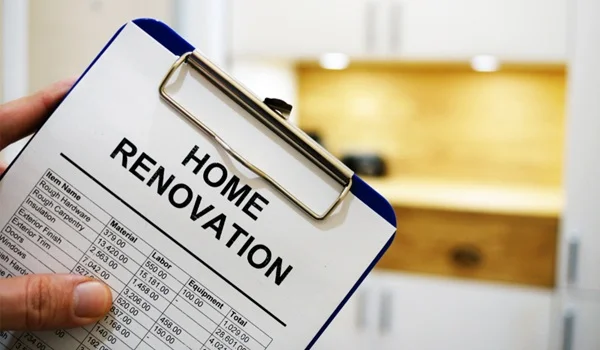
A renovation budget helps you:
- Understand how much you can afford to spend.
- Prioritize important improvements.
- Avoid overspending.
- Prepare for unexpected expenses.
- Compare contractor quotes more effectively.
- Keep the project on schedule.
Planning your budget before work begins can save both time and money.
Step 1: Define Your Renovation Goals
Start by deciding exactly what you want to improve.
Ask yourself:
- Which rooms need renovation?
- What problems are you trying to solve?
- Which upgrades are essential?
- Which changes are optional?
Having clear goals helps prevent unnecessary spending.
Step 2: Set a Realistic Budget
Determine the maximum amount you are comfortable spending.
Consider:
- Your savings
- Monthly income
- Existing financial commitments
- Emergency fund
- Financing options, if needed
Avoid planning a renovation that stretches your finances beyond a comfortable level.
Step 3: Make a List of All Expected Costs
Write down every expense you can think of.
Common renovation costs include:
- Building materials
- Paint
- Flooring
- Lighting fixtures
- Cabinets
- Plumbing fixtures
- Electrical work
- Labor charges
- Delivery fees
- Cleaning after renovation
- Waste removal
A detailed list helps reduce the chance of missing important expenses.
Step 4: Prioritize Essential Work
Separate your renovation plans into two categories.
Essential Improvements
Examples include:
- Roof repairs
- Plumbing repairs
- Electrical upgrades
- Structural repairs
- Water leakage repairs
Optional Improvements
Examples include:
- Decorative lighting
- New furniture
- Accent walls
- Luxury finishes
- Designer décor
Complete essential repairs before spending money on cosmetic upgrades.
Step 5: Get Multiple Quotes
If you’re hiring professionals, request estimates from several contractors.
Compare:
- Labor costs
- Materials included
- Project timeline
- Warranty, if offered
- Payment schedule
Don’t automatically choose the cheapest quote. Consider experience, quality, and reputation as well.
Step 6: Create a Room-by-Room Budget
Breaking the budget into sections makes it easier to manage.
For example:
| Room | Planned Budget |
| Kitchen | $6,000 |
| Bathroom | $3,500 |
| Living Room | $2,500 |
| Bedroom | $2,000 |
| Exterior | $3,000 |
Adjust the amounts according to your own project and priorities.
Step 7: Include a Contingency Fund
Unexpected costs are common during renovations.
Examples include:
- Hidden water damage
- Outdated wiring
- Plumbing issues
- Material price increases
- Structural repairs
Many homeowners set aside about 10% to 20% of the renovation budget for unexpected expenses.
Step 8: Decide Where to Save Money
Not every upgrade has to be expensive.
You may save money by:
- Repainting instead of replacing cabinets.
- Refinishing existing floors.
- Reusing furniture.
- Shopping during seasonal sales.
- Comparing material prices.
- Doing simple DIY tasks if you have the necessary skills.
Focus on value rather than choosing the lowest-priced materials.
Step 9: Track Every Expense
Keep a record of all spending throughout the project.
Track items such as:
- Materials
- Labor
- Delivery charges
- Permits, if required
- Unexpected repairs
Review your budget regularly to make sure you’re staying on track.
Step 10: Avoid Last-Minute Design Changes
Changing plans after work begins can increase costs.
Last-minute changes may lead to:
- Additional labor charges
- Material waste
- Project delays
- Higher overall costs
Finalize your design before construction starts whenever possible.
Should You Finance a Home Renovation?
Some homeowners choose to finance renovations through savings, loans, or other financing options.
Before borrowing money, consider:
- Monthly repayment ability
- Interest costs
- Total project cost
- Impact on your overall financial goals
Choose a financing option only if you’re confident you can manage the repayments.
Tips to Stay Within Budget
Follow these practical tips:
- Plan before buying materials.
- Compare prices from multiple suppliers.
- Buy quality products that fit your budget.
- Avoid unnecessary luxury upgrades.
- Keep receipts and invoices.
- Review expenses every week.
- Complete one phase before starting another.
Small savings throughout the project can make a noticeable difference.
Common Budgeting Mistakes to Avoid
Many homeowners make these mistakes:
- Starting work without a written budget.
- Forgetting labor or permit costs.
- Not setting aside money for unexpected expenses.
- Buying materials without comparing prices.
- Making frequent design changes.
- Overspending on decorative items before completing essential repairs.
Avoiding these mistakes can help your renovation run more smoothly.
Home Renovation Budget Checklist
| Task | Why It Matters |
| Set a maximum budget | Prevents overspending |
| Define renovation goals | Keeps the project focused |
| List all expected costs | Reduces surprises |
| Prioritize essential repairs | Improves safety and functionality |
| Compare contractor quotes | Helps find the best value |
| Keep a contingency fund | Covers unexpected expenses |
| Track spending regularly | Helps stay within budget |
| Save all receipts | Useful for future reference and warranty claims |
Frequently Asked Questions
How much should I keep aside for unexpected renovation costs?
Many homeowners reserve around 10% to 20% of the total renovation budget for unforeseen expenses, although the right amount depends on the size and complexity of the project.
Should I renovate one room at a time?
Yes. Renovating one room at a time can make budgeting easier and reduce disruption to your daily routine.
Is it better to hire a contractor or do it yourself?
Simple tasks like painting or installing shelves may be suitable for DIY if you have the skills. Electrical, plumbing, structural, and other specialized work should generally be handled by qualified professionals.
How can I reduce renovation costs?
You can lower costs by comparing prices, planning ahead, reusing materials where practical, shopping during sales, and avoiding unnecessary design changes.
Final Thoughts
A successful home renovation starts with a realistic budget and careful planning. Define your goals, estimate every expected cost, prioritize essential repairs, compare contractor quotes, and keep a contingency fund for unexpected expenses. By tracking your spending and making informed decisions throughout the project, you can improve your home while keeping your finances under control.