
Packing for a trip may seem simple, but common packing mistakes can lead to extra expenses, unnecessary stress, or forgotten essentials. Whether you’re traveling for a weekend, a business trip, or a long vacation, packing wisely can make your journey smoother and more enjoyable.
This guide covers the most common travel packing mistakes and practical tips to help you avoid them.
Why Smart Packing Matters
Packing efficiently can help you:
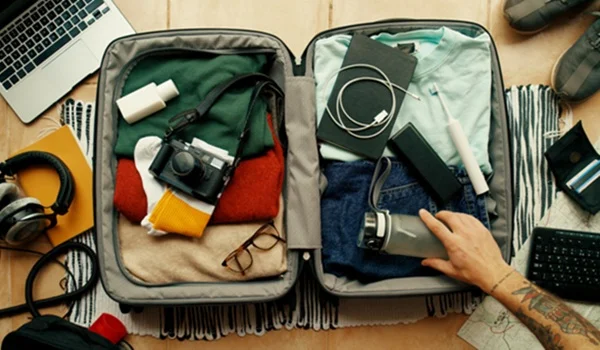
- Save time at the airport.
- Avoid excess baggage fees.
- Keep your belongings organized.
- Reduce the risk of forgetting important items.
- Make traveling more comfortable.
- Leave room for souvenirs and purchases.
A little planning before your trip can prevent many common problems.
- Packing Too Much
One of the biggest travel mistakes is bringing more than you need.
Overpacking can lead to:
- Heavy luggage.
- Higher baggage charges.
- Difficulty carrying bags.
- Less space for shopping during your trip.
Pack only the clothes and items you expect to use.
- Not Making a Packing List
Packing without a checklist increases the chance of forgetting important items.
Include categories such as:
- Clothing
- Toiletries
- Electronics
- Travel documents
- Medications
- Chargers
- Personal items
A checklist helps ensure nothing important is left behind.
- Ignoring the Weather Forecast
Packing without checking the expected weather can leave you unprepared.
Before traveling, check:
- Temperature
- Rain forecast
- Humidity
- Wind conditions
Pack clothing that matches the destination’s weather.
- Forgetting Important Documents
Travel documents are among the most important items to pack.
Depending on your trip, you may need:
- Passport
- Visa
- Government-issued ID
- Flight tickets
- Hotel confirmations
- Travel insurance details
Keep both digital and printed copies whenever possible.
- Waiting Until the Last Minute
Packing in a hurry often leads to forgotten items.
Start packing at least a day or two before departure so you have time to:
- Buy missing items.
- Double-check your checklist.
- Organize your luggage.
- Not Packing Essential Medications
If you take regular medication, never assume you’ll easily find it at your destination.
Pack:
- Prescription medicines.
- Basic first-aid supplies.
- Pain relievers.
- Motion sickness medicine, if needed.
Keep essential medicines in your carry-on bag.
- Carrying Too Many Shoes
Shoes take up a lot of luggage space.
For most trips, two or three pairs are enough, such as:
- Comfortable walking shoes.
- Casual footwear.
- Dress shoes or sandals if needed.
Choose versatile shoes that match multiple outfits.
- Packing Heavy Items on Top
Poor luggage organization can make bags difficult to handle.
For better balance:
- Place heavier items at the bottom near the wheels.
- Put lighter items on top.
- Use packing cubes or organizers.
This also helps protect delicate belongings.
- Not Leaving Space in Your Bag
Many travelers pack every inch of their suitcase.
Leaving some extra space allows room for:
- Souvenirs.
- Gifts.
- Shopping.
- Unexpected items.
A little empty space can be very useful.
- Carrying Full-Size Toiletries
Large bottles take up space and may not be allowed in carry-on luggage on flights.
Instead:
- Use travel-size containers.
- Pack only what you’ll need.
- Check airline restrictions for liquids if flying.
This saves space and helps avoid airport security issues.
- Forgetting Chargers and Power Adapters
Many travelers remember their devices but forget the accessories.
Don’t forget:
- Phone charger.
- Laptop charger.
- Power bank.
- Camera charger.
- Travel adapter for international trips.
Keeping chargers together in a small pouch makes them easier to find.
- Packing Valuable Items in Checked Luggage
Keep valuable belongings with you whenever possible.
Examples include:
- Passport.
- Wallet.
- Jewelry.
- Electronics.
- Prescription medications.
Carry these items in your personal bag or carry-on.
- Wearing Brand-New Shoes
New shoes may cause discomfort or blisters during long walks.
Instead:
- Wear shoes you’ve already broken in.
- Test new footwear before traveling.
Comfortable shoes can make a big difference on active trips.
- Ignoring Airline Baggage Rules
Each airline may have different baggage policies.
Before packing, check:
- Weight limits.
- Size restrictions.
- Carry-on allowance.
- Restricted items.
Knowing the rules can help you avoid extra fees and delays.
- Not Organizing Your Luggage
A messy suitcase makes it harder to find what you need.
Stay organized by:
- Using packing cubes.
- Rolling clothes.
- Separating clean and dirty laundry.
- Keeping toiletries in a waterproof bag.
An organized suitcase saves time throughout your trip.
Travel Packing Tips
To make packing easier:
- Choose versatile clothing that can be mixed and matched.
- Pack outfits based on the number of travel days.
- Wear your bulkiest jacket or shoes while traveling.
- Label your luggage with your contact information.
- Keep important items easily accessible.
- Charge electronic devices before departure.
These simple habits can make your journey more convenient.
Common Packing Mistakes to Avoid
Many travelers make these errors:
- Overpacking clothes.
- Forgetting travel documents.
- Packing at the last minute.
- Ignoring baggage restrictions.
- Carrying unnecessary items.
- Not packing medications.
- Forgetting chargers or adapters.
- Bringing unsuitable clothing for the weather.
Learning from these mistakes can help you travel with less stress.
Travel Packing Checklist
| Item Category | Examples |
| Documents | Passport, ID, tickets, hotel booking |
| Clothing | Weather-appropriate outfits, sleepwear, underwear |
| Footwear | Comfortable walking shoes, sandals if needed |
| Toiletries | Toothbrush, toothpaste, travel-size toiletries |
| Electronics | Phone, charger, power bank, adapter |
| Medications | Prescription medicines, first-aid supplies |
| Travel Accessories | Sunglasses, reusable water bottle, neck pillow |
| Money | Wallet, cards, some local currency if needed |
Frequently Asked Questions
What is the biggest packing mistake?
Overpacking is one of the most common mistakes. It makes luggage heavier, harder to manage, and may result in additional baggage fees.
Should I roll or fold my clothes?
Rolling clothes can save space and reduce wrinkles for many types of clothing, while folding may be better for formal wear or delicate fabrics.
How early should I pack for a trip?
It’s a good idea to start packing at least one or two days before departure. For longer or international trips, you may want to begin even earlier.
Should I keep important documents in checked luggage?
No. Passports, identification, medications, valuables, and other essential items should generally stay with you in your carry-on or personal bag.
Final Thoughts
Packing smart is one of the easiest ways to make travel more enjoyable. By avoiding common mistakes such as overpacking, forgetting important documents, ignoring baggage rules, or waiting until the last minute, you can save time, reduce stress, and travel more comfortably. A simple packing checklist and a little planning can help ensure you have everything you need for a smooth and memorable trip.