
Starting your career journey can feel exciting and overwhelming at the same time. With so many career options available, it can be difficult to know where to begin. A good career plan helps you understand your strengths, set realistic goals, and make informed decisions about your education, skills, and future opportunities.
Whether you’re a student, a recent graduate, or someone looking to start a new career, this beginner’s guide can help you build a strong foundation.
What Is Career Planning?
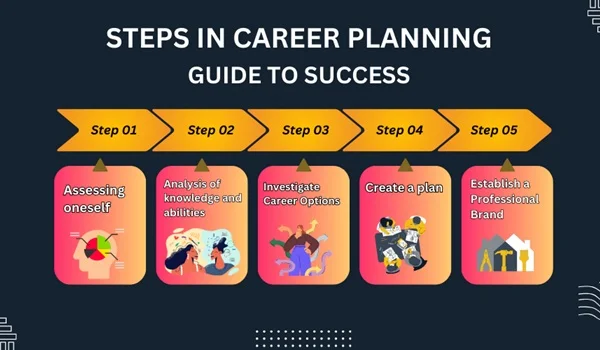
Career planning is the process of choosing a career path based on your:
- Interests
- Skills
- Strengths
- Values
- Education
- Long-term goals
It involves making informed decisions and taking steps to achieve your desired career.
Why Is Career Planning Important?
A career plan can help you:
- Set clear career goals.
- Make better education and training decisions.
- Develop relevant skills.
- Improve job opportunities.
- Stay motivated and focused.
- Prepare for future career growth.
Planning early can save time and help you make more confident choices.
Step 1: Understand Yourself
Before choosing a career, learn more about yourself.
Ask yourself questions like:
- What subjects do I enjoy?
- What activities interest me?
- What are my strengths?
- What skills do I already have?
- What type of work environment do I prefer?
Knowing yourself is the first step toward finding a suitable career.
Step 2: Explore Different Career Options
Research careers that match your interests and abilities.
Learn about:
- Job responsibilities.
- Required qualifications.
- Skills needed.
- Career growth opportunities.
- Typical work environment.
Reading about different careers helps you understand what each role involves.
Step 3: Set Career Goals
Create both short-term and long-term goals.
Short-Term Goals
Examples include:
- Complete a certification course.
- Improve communication skills.
- Build a resume.
- Apply for internships.
Long-Term Goals
Examples include:
- Get your first full-time job.
- Become a team leader.
- Earn a professional qualification.
- Start your own business.
Clear goals help you measure your progress.
Step 4: Identify the Skills You Need
Every career requires a mix of technical and professional skills.
Common professional skills include:
- Communication.
- Time management.
- Teamwork.
- Problem-solving.
- Adaptability.
- Digital literacy.
Make a list of skills you need to improve and create a learning plan.
Step 5: Continue Learning
Learning should continue throughout your career.
You can develop your knowledge through:
- Online courses.
- Workshops.
- Books.
- Professional certifications.
- Practical experience.
Continuous learning helps you stay competitive in a changing job market.
Step 6: Gain Practical Experience
Experience helps you understand how work is done in real situations.
You can gain experience through:
- Internships.
- Part-time jobs.
- Freelance projects.
- Volunteering.
- College projects.
Practical experience also strengthens your resume.
Step 7: Build a Professional Resume
A good resume highlights your:
- Education.
- Skills.
- Experience.
- Achievements.
- Certifications.
Keep your resume clear, accurate, and updated as you gain new experience.
Step 8: Improve Your Communication Skills
Strong communication is valuable in almost every profession.
Work on:
- Speaking confidently.
- Writing professional emails.
- Listening actively.
- Giving clear presentations.
- Working effectively with others.
These skills can improve both interviews and workplace performance.
Step 9: Build Your Professional Network
Networking can help you learn from others and discover opportunities.
Consider:
- Attending career fairs.
- Joining professional groups.
- Connecting with mentors.
- Participating in workshops.
- Staying in touch with classmates and colleagues.
Networking is about building meaningful professional relationships over time.
Step 10: Prepare for Job Interviews
Interview preparation increases confidence.
Practice:
- Answering common interview questions.
- Explaining your strengths and experience.
- Researching the employer.
- Asking thoughtful questions.
Good preparation helps you present yourself professionally.
Step 11: Stay Flexible
Your interests and career goals may change over time.
Be open to:
- Learning new skills.
- Exploring different opportunities.
- Changing career paths if needed.
- Adapting to industry changes.
Flexibility can help you grow throughout your career.
Step 12: Review Your Career Plan Regularly
Your career plan should evolve as you gain experience.
Review it every few months by asking:
- Have I achieved my recent goals?
- What new skills have I learned?
- What challenges did I face?
- What should I focus on next?
Regular reviews help keep your career moving in the right direction.
Common Career Planning Mistakes to Avoid
Many beginners make these mistakes:
- Choosing a career without proper research.
- Ignoring personal interests and strengths.
- Setting unrealistic goals.
- Delaying skill development.
- Avoiding internships or practical experience.
- Not updating their resume.
- Expecting immediate success.
Learning from these mistakes can help you make better career decisions.
Tips for Successful Career Planning
Follow these practical tips:
- Set realistic and achievable goals.
- Learn new skills regularly.
- Ask for feedback from teachers or mentors.
- Stay informed about industry trends.
- Build professional relationships.
- Keep a positive attitude toward learning.
Career growth is usually a gradual process built through consistent effort.
Beginner’s Career Planning Checklist
| Task | Why It Matters |
| Understand your interests | Helps choose a suitable career |
| Research career options | Provides informed choices |
| Set career goals | Creates direction |
| Develop professional skills | Improves employability |
| Gain practical experience | Builds confidence and resume |
| Create a professional resume | Supports job applications |
| Prepare for interviews | Improves interview performance |
| Continue learning | Supports long-term career growth |
| Build a professional network | Creates learning and career opportunities |
| Review your progress regularly | Keeps your career plan updated |
Frequently Asked Questions
When should I start career planning?
It’s helpful to begin career planning as early as possible, especially during school or college. However, it’s never too late to create a career plan or explore a new career path.
How do I choose the right career?
Consider your interests, strengths, skills, values, education, and long-term goals. Research different careers and, if possible, gain practical experience before making major decisions.
Is it okay to change careers later?
Yes. Many professionals change careers during their working lives. Learning new skills and adapting to changing opportunities can help make career transitions successful.
Why is skill development important?
Skills improve your ability to perform tasks, increase your confidence, and make you more competitive when applying for jobs or seeking career advancement.
Final Thoughts
Career planning is an ongoing process that helps you make informed decisions about your future. By understanding your strengths, exploring career options, setting realistic goals, developing valuable skills, gaining practical experience, and continuing to learn, you can build a strong foundation for long-term success. Remember that careers often evolve over time, so stay flexible, keep learning, and regularly review your goals as you grow professionally.