
Aerated drinks—popularly known as soft drinks or carbonated beverages—are among the most widely consumed packaged drinks in India. From everyday refreshment to celebrations, brands like Coca-Cola and Pepsi dominate the market.
However, one important aspect that significantly affects their price and consumption is GST (Goods and Services Tax).
If you’ve ever wondered why soft drinks are relatively expensive compared to other beverages, the answer largely lies in their high GST rate.
Let’s explore everything in detail.
What is GST?
Goods and Services Tax (GST) is a unified indirect tax introduced in India on 1st July 2017. It replaced multiple taxes like VAT, excise duty, and service tax.
GST is divided into slabs such as:
- 0%
- 5%
- 12%
- 18%
- 28%
Certain products also attract an additional cess (extra tax), especially luxury or “sin” goods.
GST Rate on Aerated Drinks
Aerated drinks fall under the highest GST slab in India.
Current Tax Structure:
- GST Rate: 28%
- Compensation Cess: 12%
👉Total Effective Tax:40%
This makes aerated drinks one of the most heavily taxed beverages in the country.
Why Are Aerated Drinks Taxed So High?
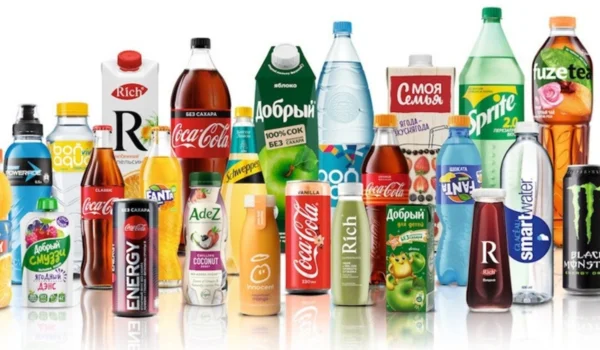
The government classifies aerated drinks as non-essential or discretionary items. There are several reasons for the high tax:
- Health Concerns
Aerated drinks are high in sugar and have low nutritional value. Excess consumption is linked to:
- Obesity
- Type 2 Diabetes
- “Sin Goods” Category
Like tobacco and luxury items, soft drinks fall under goods that are taxed more to discourage excessive consumption.
- Revenue Generation
High taxes help the government generate significant revenue.
GST Classification of Aerated Drinks
Under GST, aerated drinks are classified under HSN Code 2202.
This category includes:
- Carbonated beverages
- Flavoured soft drinks
- Soda-based drinks
Examples:
- Coca-Cola
- Pepsi
- Sprite
GST on Aerated Drinks vs Other Beverages
Here’s how aerated drinks compare with other beverages:
| Beverage Type | GST Rate |
| Aerated drinks | 28% + 12% cess |
| Fruit juices | 12% |
| Packaged drinking water | 18% |
| Tea/Coffee (basic) | 5% |
Clearly, aerated drinks attract the highest tax among common beverages.
Impact of GST on Aerated Drink Prices
The high GST rate directly affects the retail price of soft drinks.
Effects:
- Higher MRP
Consumers pay more due to the 40% tax structure.
- Reduced Consumption
Higher prices may discourage frequent consumption.
- Shift to Alternatives
Many consumers are shifting towards:
- Fruit juices
- Coconut water
- Traditional Indian drinks
Impact on Businesses
- Manufacturers
Companies like Coca-Cola Company and PepsiCo have to factor in high taxes while pricing their products.
- Retailers
Retail margins can be affected due to pricing pressures.
- Small Vendors
Local shops may see reduced demand due to higher prices.
Has the GST Rate Changed Over Time?
Since the introduction of GST in 2017:
- Aerated drinks have consistently remained in the highest tax slab
- No major reduction has been announced
This reflects the government’s stance on discouraging excessive consumption.
GST Compliance for Businesses
Businesses dealing with aerated drinks must:
- Use correct HSN code (2202)
- Charge 28% GST + 12% cess
- File regular GST returns
- Maintain proper invoices
Non-compliance can lead to penalties.
Input Tax Credit (ITC)
Businesses can claim Input Tax Credit on:
- Raw materials
- Packaging
- Transportation
This helps reduce the overall tax burden on manufacturers.
Consumer Perspective
From a consumer point of view:
Advantages:
- Encourages healthier choices
- Reduces overconsumption
Disadvantages:
- Higher prices
- Less affordability
Are Diet or Sugar-Free Drinks Taxed Differently?
No, even diet or zero-sugar variants fall under the same GST category:
- 28% GST + 12% cess
This is because they are still classified as aerated beverages.
Government’s Health Approach
The high GST rate aligns with public health goals:
- Discourage sugary drink consumption
- Promote healthier beverages
- Reduce lifestyle diseases
Alternatives to Aerated Drinks
Due to high taxes and health concerns, many Indians are switching to:
- Fresh fruit juices
- Coconut water
- Buttermilk (chaas)
- Lemon water
- Jaljeera
These options are:
- Healthier
- More affordable
- Lower in tax
Common Myths About GST on Aerated Drinks
Myth 1: Only branded drinks are taxed heavily
Fact: All aerated drinks, branded or unbranded, fall under the same GST slab.
Myth 2: Clear sodas have lower tax
Fact: Drinks like Sprite are taxed the same as cola drinks.
Myth 3: Small bottles have less GST
Fact: GST is applied based on value, not size.
FAQs
Q: What is the GST rate on aerated drinks?
A: 28% GST + 12% compensation cess (total 40%).
Q: Why is GST so high on soft drinks?
A: Due to health concerns and classification as non-essential goods.
Q: Are fruit juices taxed the same?
A: No, fruit juices attract lower GST (around 12%).
Q: Is GST likely to reduce in future?
A: Currently, no major changes have been announced.
Final Verdict
Aerated drinks in India are among the most heavily taxed consumer products, with a total GST burden of 40%. This high tax rate reflects both public health concerns and revenue considerations.
While brands like Coca-Cola and Pepsi continue to remain popular, rising awareness and pricing are encouraging consumers to explore healthier alternatives.
The key takeaway:
- Aerated drinks = 28% GST + 12% cess
- High tax aims to reduce consumption
- Healthier beverages are better for regular use